


Anti Hair Fall Shampoos & Hair Loss Treatments | Medoinn®






What You'll Find in Our Anti Hair Fall Collection
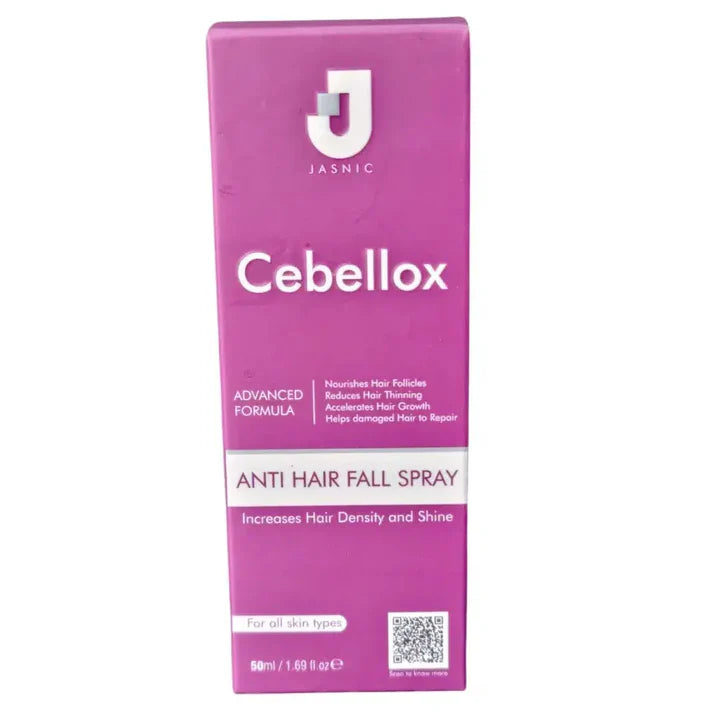
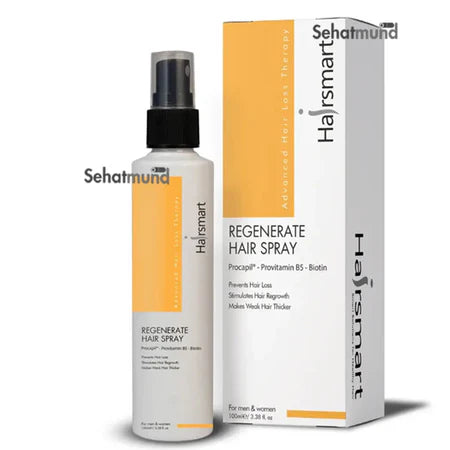
Hair fall is one of the most common concerns among both men and women in Pakistan — and one of the most misunderstood. From stress, nutritional gaps, and hormonal changes to heat, pollution, hard water, and aggressive hair care habits, the causes of excessive hair fall are varied and often overlap. Our Anti Hair Fall collection brings together a targeted range of hair loss and hair regrowth products designed to address these causes at the root — including anti-hair fall shampoos, scalp serums, strengthening conditioners, hair oils, scalp treatments, and supplement-based solutions. Each product in this collection is selected to work at one or more stages of the hair fall cycle: reducing shedding, strengthening existing hair, supporting scalp health, and encouraging a healthier environment for regrowth.
This collection is relevant for men experiencing early or progressive hair thinning and hairline recession, women dealing with postpartum hair fall, stress-related shedding, or hormonal hair loss, and anyone managing diffuse hair fall caused by nutritional deficiency, scalp conditions, or environmental factors. Whether you are in the early stages of noticing increased shedding or are looking for a consistent long-term hair care routine to maintain thickness and scalp health, you will find products at Medoinn® suited to your hair type, concern level, and lifestyle.
How to Choose the Right Product
- Identify the likely cause of your hair fall first: Stress-related shedding, postpartum hair fall, and telogen effluvium (diffuse shedding) are often temporary and respond well to consistent scalp care and nutritional support. Pattern hair loss (androgenetic alopecia) in men and women requires specific active ingredients and may also need professional guidance for best outcomes. Knowing your likely cause helps you choose the most targeted product.
- Match the product to your scalp type: Oily scalps benefit from lightweight, non-greasy anti-hair fall shampoos and water-based scalp serums. Dry or sensitive scalps need gentler formulas that address hair fall without further stripping scalp moisture. Flaky or dandruff-prone scalps may benefit from a combined anti-dandruff and anti-hair fall formula as scalp health directly affects hair retention.
- Choose between a shampoo-only approach and a full system: For mild hair fall, an anti-hair fall shampoo used consistently may be sufficient. For moderate to significant hair fall, pairing a medicated shampoo with a leave-on scalp serum or treatment delivers more targeted results as the serum maintains active contact with the scalp between washes.
- Consider whether you need a topical or an internal approach: Topical shampoos, serums, and oils address the scalp and hair follicle environment directly. Nutritional supplements — such as biotin, zinc, and iron — address internal deficiencies that contribute to hair fall from within. For best results, many people benefit from addressing both aspects simultaneously.
- Check the active ingredients: Products containing clinically studied actives — such as minoxidil, caffeine, saw palmetto, biotin, or peptide complexes — are more likely to produce measurable outcomes than those relying solely on botanical fragrance blends. Check the ingredient list rather than relying only on marketing claims.
- Factor in hair type and texture: Fine or thinning hair benefits from volumizing, lightweight anti-hair fall formulas that do not weigh the hair down. Thick, coarse, or chemically treated hair may need a more nourishing formula that balances anti-hair fall treatment with moisture and strength.
- Compare options on Medoinn®: Full ingredient details, active concentrations, and product formats are listed on each product page to help you identify the most appropriate formula for your hair fall concern and scalp type.
Routine & Usage Guide
Consistency is the single most important factor in managing hair fall with topical products. A well-structured routine that covers cleansing, treatment, and scalp nourishment — maintained over several weeks — produces significantly better results than irregular or occasional use. Below is a practical usage guide for an anti-hair fall routine.
Wash Day Routine (2–3 Times Per Week)
- Pre-wash scalp oil (optional, 30–60 minutes before washing): Applying a lightweight anti-hair fall scalp oil or treatment oil to the scalp 30–60 minutes before shampooing may help nourish the scalp and support a healthier follicle environment. Massage gently using fingertip pads in circular motions for 3–5 minutes to stimulate blood circulation to the scalp. Do not leave heavy oils on overnight as this can clog follicles and worsen scalp conditions if left for extended periods.
- Anti-hair fall shampoo: Wet the scalp thoroughly with lukewarm water. Apply the shampoo directly to the scalp — not just the hair lengths — and massage in for at least 2–3 minutes. This contact time allows active ingredients to work on the scalp surface. Leave on for 2–3 minutes if the product recommends it, then rinse thoroughly with cool or lukewarm water. Avoid hot water — it can dry the scalp and exacerbate hair fall.
- Anti-hair fall conditioner: Apply to the mid-lengths and ends of the hair — not the scalp — to avoid product buildup that can weigh hair down and clog follicles. Leave on for 1–2 minutes and rinse thoroughly. Some anti-hair fall conditioners contain strengthening actives that reduce breakage — a key contributor to the appearance of thinning hair.
- Pat dry gently: Wet hair is at its most fragile and most prone to breakage. Pat dry with a soft towel rather than rubbing vigorously. Avoid tight towel wrapping that puts tension on the hair shaft. Allow hair to air dry where possible — or use a low-heat dryer setting if needed.
Daily Scalp Serum or Treatment Application
- Apply your scalp serum or leave-on treatment daily — ideally to a dry or slightly damp scalp after washing or on non-wash days. Part the hair in sections and apply directly to the scalp using the product's dropper or applicator tip. Focus on areas of most concern — the crown, hairline, or temples as relevant.
- Massage in gently using fingertip pads in circular motions for 2–3 minutes. Scalp massage may help improve blood circulation to hair follicles and supports better absorption of the active ingredients in the serum.
- Do not rinse out leave-on scalp serums unless the product specifically instructs it. The extended contact time with the scalp is what allows the active ingredients to work effectively between wash sessions.
Note: Most anti-hair fall shampoos are designed for use 2–3 times per week. Scalp serums and leave-on treatments are typically used daily on the scalp. Hair oils used as pre-wash treatments should generally not be left on overnight — 30 minutes to 2 hours is sufficient for most scalp oil products. Always follow the specific product instructions for recommended frequency and application method.
Key Ingredients to Look For
- Minoxidil (2% and 5%): One of the most extensively studied and clinically recognized topical ingredients for hair loss — particularly androgenetic alopecia. Available OTC in Pakistan at 2% (commonly for women) and 5% (commonly for men). May help prolong the hair growth phase and support regrowth in areas of thinning. Requires consistent daily use and takes 3–6 months before results are visible. Should be discussed with a dermatologist before starting, particularly for women.
- Caffeine: A well-studied topical ingredient that may help stimulate hair follicles and counteract the effects of DHT (dihydrotestosterone) — a hormone linked to pattern hair loss in both men and women — at the follicle level. Found in anti-hair fall shampoos and scalp serums. Generally well-tolerated and suitable for regular use.
- Biotin (Vitamin B7): A B-vitamin associated with hair, skin, and nail health. Found in both topical anti-hair fall products and nutritional supplements. Biotin deficiency is a recognized cause of hair fall — supplementing where a deficiency exists may help. However, biotin supplementation without a confirmed deficiency may not produce additional benefit. A doctor can test for biotin and other nutritional deficiencies before supplementing.
- Saw Palmetto: A plant-derived extract that may help block DHT conversion at the scalp level — the same mechanism targeted by some prescription hair loss medications. Found in anti-hair fall shampoos, serums, and supplements. Often used as a complementary approach in androgenetic hair loss routines.
- Peptide Complexes (Capixyl, Redensyl, Procapil): Patented peptide-based actives found in premium anti-hair fall serums that may help stimulate follicle activity, improve anchoring of hair in the scalp, and support the hair growth cycle. Generally well-tolerated and available in leave-on serum formats.
- Zinc and Iron (in Supplements): Two of the most common nutritional deficiencies linked to hair fall in Pakistan — particularly in women. Zinc plays a role in hair tissue growth and repair; iron deficiency (anaemia) is one of the leading causes of diffuse hair fall in women in Pakistan. Testing for these deficiencies with a doctor before supplementing is advisable.
- Niacinamide (Vitamin B3): Supports scalp health by improving microcirculation, reducing inflammation, and supporting the skin barrier of the scalp. Found in some scalp serums and anti-hair fall shampoos as a supporting ingredient that creates a healthier scalp environment for hair retention and regrowth.
Mistakes to Avoid
- Expecting results in days or weeks: Anti-hair fall products require consistent use over 3–6 months before meaningful improvement in hair density or reduced shedding is visible. Stopping a product after a few weeks because results are not yet apparent is one of the most common reasons treatments appear not to work.
- Washing hair too frequently or too infrequently: Daily washing with a harsh shampoo can strip the scalp of natural oils and cause irritation that worsens hair fall. However, not washing frequently enough allows scalp buildup — sebum, sweat, and product residue — that can clog follicles and hinder hair health. Two to three times per week with an anti-hair fall shampoo is appropriate for most scalp types.
- Using hot water to wash hair: Hot water dries the scalp, strips natural oils, and weakens the hair shaft — all of which can worsen hair fall. Always use lukewarm or cool water for rinsing, particularly for the final rinse after conditioning.
- Applying conditioner directly to the scalp: Conditioner on the scalp creates buildup that can clog follicles and weigh hair down, worsening the appearance of thinning. Apply conditioner from mid-lengths to ends only — never directly to the scalp.
- Leaving heavy oils on overnight: Applying thick oils — such as coconut or mustard oil — to the scalp and leaving them overnight is a common habit in Pakistan but can clog follicles, attract dust, and worsen scalp conditions over time. Use scalp oils as a pre-wash treatment for 30 minutes to 2 hours and wash out thoroughly.
- Tying hair too tightly: Tight hairstyles — braids, high ponytails, and tight buns — put mechanical tension on the hair follicle that causes traction alopecia over time. This is especially relevant for women who wear their hair tied tightly every day. Varying hairstyles and using loose ties reduces this risk significantly.
- Over-brushing or rough towel-drying wet hair: Hair is most fragile when wet. Vigorous brushing or rubbing with a towel causes breakage that contributes to the appearance of thinning and increased shedding. Use a wide-tooth comb on damp hair and pat dry with a soft towel.
- Self-diagnosing and self-treating without understanding the cause: Hair fall has many different causes — hormonal, nutritional, medical, or mechanical — and the most effective treatment depends on identifying the correct cause. Using an anti-hair fall product without understanding why you are losing hair may delay addressing the underlying issue. If hair fall is sudden, severe, or accompanied by other symptoms, professional evaluation is the right first step.
Pakistan-Specific Tips
- Hard water is a significant and often overlooked hair fall contributor in Pakistan: Many Pakistani cities — including Karachi, Lahore, and Islamabad — have hard tap water with high mineral content. Hard water leaves calcium and magnesium deposits on the scalp and hair shaft, weakening the hair over time and contributing to increased shedding and dullness. A clarifying shampoo used once a week or a hard water scalp treatment can help remove mineral buildup from the scalp and hair.
- Heat and excessive sweating stress the scalp: Pakistan's hot summer months cause the scalp to sweat significantly more, creating a warm, moist environment that increases the risk of scalp inflammation, dandruff, and follicle irritation — all of which can contribute to hair fall. Washing the scalp more frequently during summer months (up to 3 times per week) and using a lightweight, non-occlusive scalp treatment helps manage this.
- Pollution deposits on the scalp accelerate hair damage: Urban pollution in Pakistani cities generates free radicals on the scalp surface and deposits particulate matter that can clog follicles and cause oxidative stress to the hair follicle over time. Regular, thorough scalp cleansing — particularly after commuting or outdoor exposure — is an important part of a hair fall prevention routine for city dwellers.
- Nutritional deficiencies are common in Pakistan and directly drive hair fall: Iron deficiency anaemia, vitamin D deficiency, and zinc insufficiency are among the most common nutritional causes of hair fall in Pakistan — particularly in women. Before investing in multiple topical anti-hair fall products, getting a basic blood test to rule out a nutritional deficiency is a practical and often overlooked first step.
- Heavy traditional oiling practices need adjustment for hair fall management: The cultural practice of applying coconut or mustard oil heavily to the scalp overnight is widespread in Pakistan but may worsen hair fall when done excessively — particularly for those with oily scalps or dandruff-prone conditions. Lighter oils — such as argan oil or rosemary oil — used as a pre-wash treatment for 30–60 minutes are a more scalp-friendly alternative.
- Stress is a significant and underaddressed hair fall trigger in Pakistan: Telogen effluvium — diffuse hair fall triggered by physical or emotional stress — is one of the most common types of hair loss seen in both men and women in Pakistan. Major stressors including illness, surgery, sudden weight loss, and prolonged psychological stress can cause significant hair shedding 2–3 months after the triggering event. This type of hair fall is typically temporary and resolves with time and scalp care, but identifying the trigger is important.
- Store anti-hair fall serums and treatments correctly in summer heat: Active ingredients in scalp serums — including peptide complexes, caffeine, and plant extracts — can degrade faster in Pakistan's summer heat. Store these products in a cool, dark drawer away from direct sunlight and bathroom steam to maintain their potency and effectiveness throughout the year.
When to Seek Professional Advice
Over-the-counter anti-hair fall shampoos, serums, and scalp treatments are appropriate for managing mild to moderate hair fall and supporting overall scalp health. However, professional evaluation is the right step in several situations. Consult a dermatologist or trichologist if: your hair fall is sudden, severe, or has significantly worsened within a short period; you notice distinct bald patches rather than diffuse general thinning — patchy hair loss (alopecia areata) requires specific medical treatment that differs from standard anti-hair fall products; your hairline is receding progressively in a pattern consistent with androgenetic alopecia, as prescription-strength treatments may produce significantly better outcomes than OTC options alone; hair fall is accompanied by other symptoms such as unexplained weight changes, fatigue, irregular cycles in women, or skin and nail changes — these may indicate an underlying hormonal or medical condition; you have been using OTC anti-hair fall products consistently for 4–6 months without any meaningful reduction in shedding or improvement in density; you are pregnant or breastfeeding and need guidance on which anti-hair fall ingredients are safe to use during this period; or the scalp shows signs of inflammation, infection, significant flaking, or scarring alongside hair loss, as these require diagnosis and targeted treatment before a hair fall routine will be effective.
Shop the Anti Hair Fall Collection on Medoinn®
Explore the complete Anti Hair Fall collection on Medoinn® (www.medoinn.com) to compare anti-hair fall shampoos, daily scalp serums, strengthening conditioners, scalp treatment oils, and nutritional support products suited for men and women across different hair types and hair fall concerns. Each product listing includes full ingredient details and usage guidance to help you choose the right combination for your scalp and hair needs. Check Medoinn® for current availability, pricing, and payment options.
Frequently Asked Question
What is the best anti hair fall shampoo for men in Pakistan?
For men dealing with hair fall in Pakistan — particularly pattern hair thinning or shedding worsened by heat, hard water, and pollution — look for an anti-hair fall shampoo containing caffeine, saw palmetto, zinc pyrithione, or biotin. Caffeine-based shampoos are among the most well-studied for androgenetic hair fall and are widely available. Leave the shampoo on the scalp for 2–3 minutes before rinsing to allow the active ingredients adequate contact time. Pair with a leave-on scalp serum for more targeted results.
What causes hair fall to increase in Pakistan's summer months?
Several factors combine to worsen hair fall in Pakistan's summer. Increased scalp sweating creates a warm, moist environment that promotes scalp inflammation and dandruff — both of which can loosen hair at the follicle level. Heat dehydrates both the scalp and hair shaft. Pollution deposits on the scalp increase oxidative stress on follicles. Hard water used for washing leaves mineral buildup that weakens hair over time. Managing all four factors — regular cleansing, scalp treatment, mineral removal, and antioxidant support — is the most effective approach during summer months.
How long does anti hair fall treatment take to show results in Pakistan?
How long does anti hair fall treatment take to show results in Pakistan?
Is hair fall different in women than in men — do they need different products?
Yes — the pattern and cause of hair fall often differ between men and women. Men more commonly experience androgenetic alopecia (pattern hair loss) at the crown and hairline, driven primarily by DHT sensitivity. Women more commonly experience diffuse thinning across the scalp, often linked to hormonal changes (postpartum, menopause, thyroid), nutritional deficiency (iron, vitamin D, biotin), or stress. Some products — particularly minoxidil — have specific formulations and concentrations for men (5%) and women (2%). Always check the product's intended use and consult a dermatologist if pattern hair loss is suspected.
Can I use anti hair fall oil and shampoo together in Pakistan?
Yes — and combining them is often more effective than using either alone. Apply your anti-hair fall scalp oil as a pre-wash treatment 30–60 minutes before shampooing. Massage into the scalp gently, leave on for the recommended time, then wash out thoroughly with your anti-hair fall shampoo. Do not leave thick oils on overnight as this can clog follicles, particularly in Pakistan's humid climate where the scalp already produces more oil. Following the wash with a leave-on scalp serum completes the most comprehensive anti-hair fall routine.
Does hard water in Pakistan cause hair fall?
Hard water — which is common in many Pakistani cities including Karachi and Lahore — does not directly cause hair fall at the follicle level, but it does contribute significantly to hair damage, breakage, and scalp buildup that worsens the appearance of shedding and thinning over time. The calcium and magnesium deposits left by hard water make hair brittle, dull, and more prone to breakage. Using a clarifying shampoo once a week to remove mineral buildup, and a chelating scalp treatment if needed, can meaningfully reduce hard water-related hair damage.
What nutritional deficiencies cause hair fall in Pakistan and how can I address them?
Iron deficiency anaemia is one of the most common causes of diffuse hair fall in Pakistani women — and is frequently overlooked. Vitamin D deficiency, zinc insufficiency, and in some cases biotin deficiency are also commonly identified. Before starting nutritional supplements for hair fall, having a basic blood test done by a doctor to identify which deficiency — if any — is present is the most practical first step. Supplementing with iron, zinc, or biotin without a confirmed deficiency is generally not beneficial and excess supplementation of some nutrients can cause side effects.
Is minoxidil available for hair fall treatment in Pakistan and is it safe?
Minoxidil is available OTC in Pakistan in 2% and 5% topical solutions and is one of the most clinically recognized treatments for androgenetic hair loss in both men and women. It is generally considered safe when used as directed but requires consistent daily application — stopping use typically causes the hair fall to return to its previous pattern over several months. It is most appropriate for confirmed androgenetic alopecia rather than all types of hair fall. A dermatologist consultation before starting minoxidil is advisable to confirm it is the right treatment for your specific hair loss type.
Are anti hair fall products available for women in Pakistan on Medoinn®?
Yes. Medoinn® (www.medoinn.com) offers a range of anti-hair fall products suited for women — including anti-hair fall shampoos, scalp serums, strengthening conditioners, and hair treatment oils formulated for female hair fall patterns and scalp types. Full ingredient details and usage guidance are listed on each product page. Check Medoinn® for current availability, pricing, and payment options.
How do I build a complete anti hair fall routine for oily scalp in Pakistan's humid weather?
For an oily scalp in Pakistan's humid climate, a practical anti-hair fall routine includes: washing 2–3 times per week with a lightweight anti-hair fall shampoo suited for oily scalp — avoid heavy or oil-based shampoo formulas; using a water-based or lightweight leave-on scalp serum daily rather than a heavy oil; keeping pre-wash oil treatments to 30–60 minutes rather than overnight; avoiding conditioner on the scalp; and rinsing with cool water rather than hot to avoid further stimulating oil production. Managing scalp oiliness and maintaining a clean follicle environment is especially important in summer months when heat accelerates sebum production.