Anti Acne Skincare Products for Clear Skin | Medoinn® Pakistan
What You'll Find in Our Anti Acne Collection
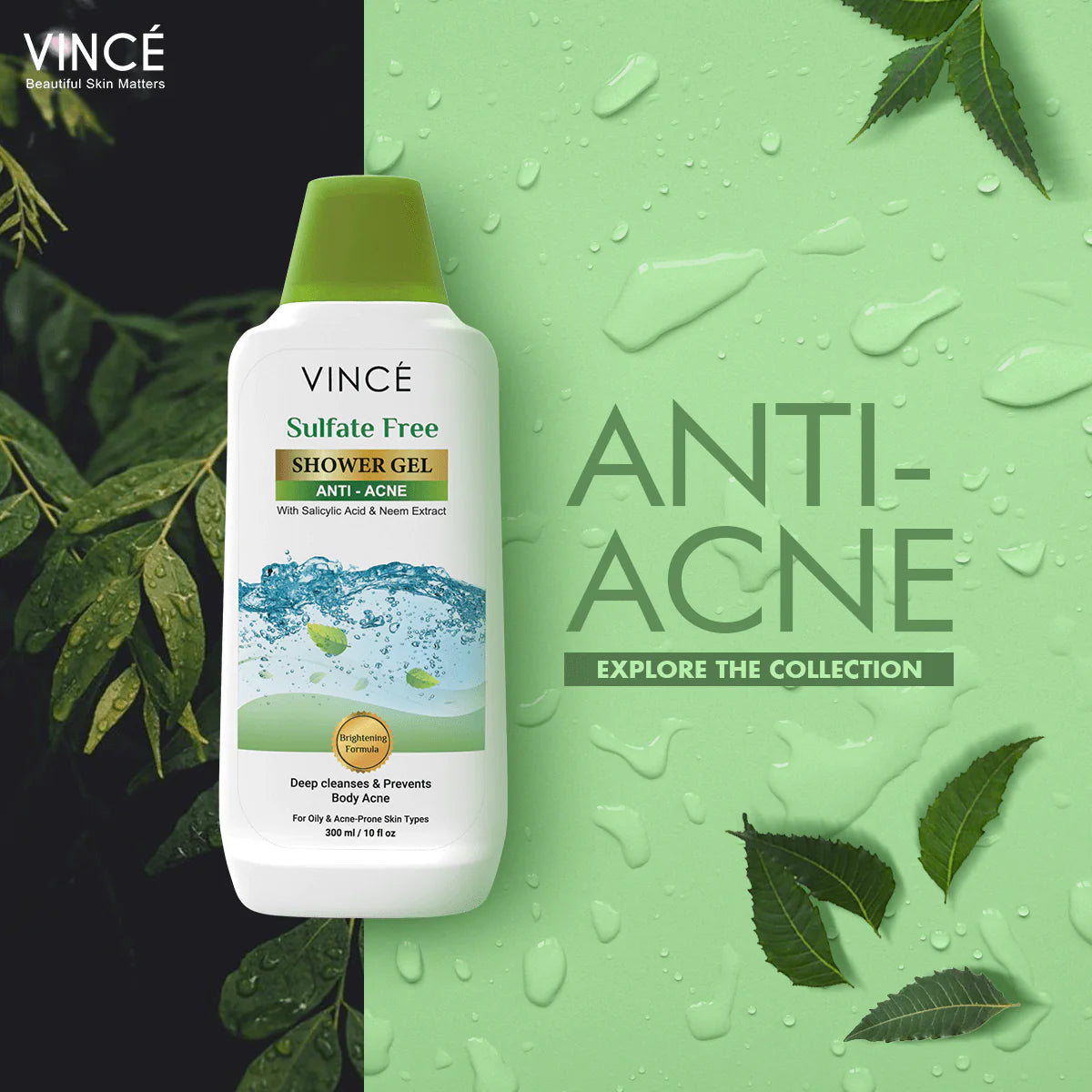
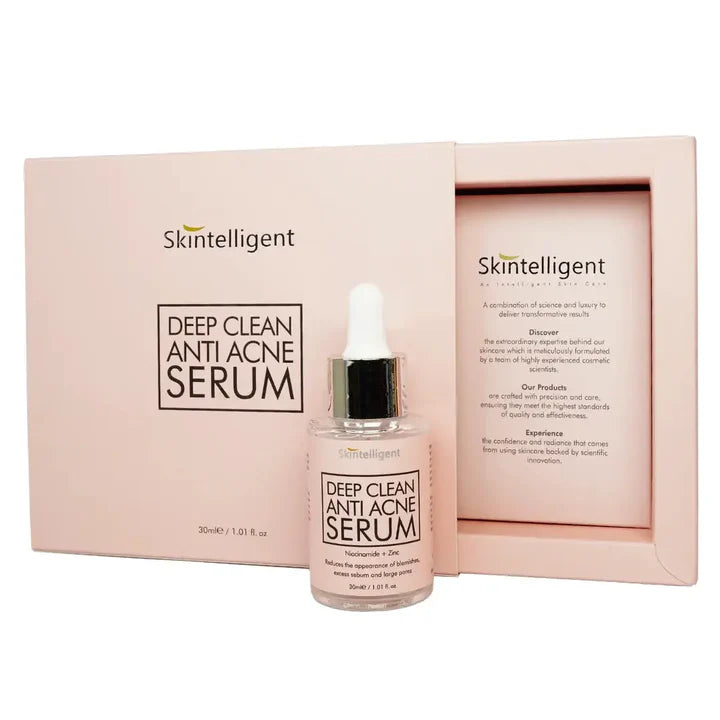
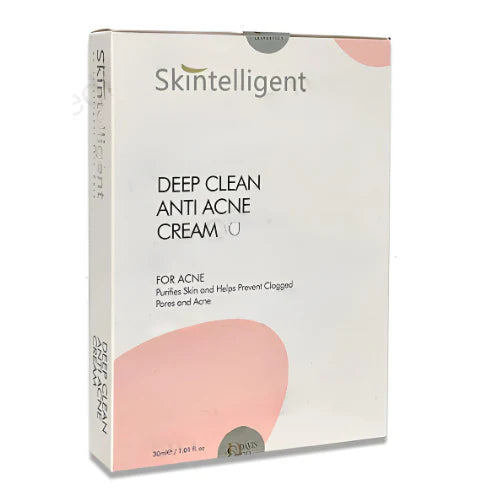
Acne is one of the most common skin concerns in Pakistan — affecting teenagers, adult women, and men across all skin types and age groups. Our Anti Acne collection is a comprehensive range of skincare products specifically formulated to target the root causes of acne: excess sebum production, clogged pores, bacteria, inflammation, and a compromised skin barrier. The collection covers every step of an anti-acne routine — from medicated cleansers and exfoliating toners to targeted serums, spot treatments, acne-safe moisturizers, and oil-free sunscreens — so you can build a complete, consistent routine from a single, curated source.
Whether you are new to anti-acne skincare and looking for a simple starting routine, or an experienced user trying to address persistent breakouts, post-acne marks, or hormonal acne patterns, this collection has options suited to your skin type, concern level, and lifestyle. At Medoinn®, every product is listed with full ingredient details so you can shop with clarity and confidence rather than guesswork.
How to Choose the Right Product for Your Needs
- Start by identifying your acne type: Comedonal acne (blackheads and whiteheads) responds best to BHA-based products. Inflammatory acne (red, raised pimples) benefits from antibacterial ingredients like benzoyl peroxide or azelaic acid. Hormonal acne typically appearing on the chin and jawline may require a different approach including niacinamide and professional input if severe.
- Build around one core active: Beginners should start with one active anti-acne ingredient typically salicylic acid or niacinamide and build from there once the skin has adjusted. Using multiple actives from day one is one of the most common causes of irritation and barrier damage.
- Choose the right product format: Serums and leave-on treatments deliver actives more effectively than cleansers. However, cleansers are the essential first step. Spot treatments are most useful for individual active pimples. Choose formats based on your specific concern and routine preference.
- Factor in your skin type: Oily skin tolerates gel-based, lightweight, and slightly higher-concentration formulas better. Dry or sensitive skin needs gentler concentrations and more focus on barrier support alongside anti-acne treatment.
- Consider your routine complexity: A 3–4 step routine done consistently is more effective than a complex 10-step routine used inconsistently. Prioritize cleanser, treatment serum, moisturizer, and SPF before adding more steps.
- Look for non-comedogenic labels: Anti-acne products should not themselves clog pores. Check for non-comedogenic labeling on moisturizers, sunscreens, and any base products used alongside your anti-acne treatments.
- Compare options on Medoinn®: Full ingredient details, product formats, and current pricing are listed on each product page to help you choose with confidence.
Routine & Usage Guide
An effective anti-acne routine does not need to be complicated. The most important factors are consistency, the right product for your skin type, and protecting the skin barrier throughout the process. Below is a practical AM/PM anti-acne routine framework for most skin types.
Morning Anti-Acne Routine
- Anti-Acne Cleanser: Begin with a gentle or salicylic acid face wash to remove overnight oil, sweat, and product residue. Use lukewarm water and fingertips never a rough cloth on acne-prone skin.
- Toner (optional): A BHA or niacinamide toner can help prep skin, manage sebum, and support pore clarity. Apply with a cotton pad or patted in gently. Skip if your skin feels tight or sensitive.
- Anti-Acne Serum: Apply a niacinamide or azelaic acid serum for sebum regulation, redness reduction, and early pigmentation management. These are well-tolerated in the morning and pair well with SPF.
- Moisturizer: Always moisturize even if skin is oily. A lightweight, oil-free, non-comedogenic moisturizer maintains the skin barrier and improves the tolerance of anti-acne actives over time.
- Sunscreen (non-negotiable): SPF 30 or higher, every morning. Most anti-acne ingredients increase photosensitivity. In Pakistan's year-round UV intensity, skipping SPF while on an anti-acne routine will worsen post-acne dark marks significantly.
Evening Anti-Acne Routine
- Double cleanse: Start with a micellar water or cleansing oil to fully remove sunscreen and pollution residue, then follow with your anti-acne face wash. This ensures actives applied at night work on clean skin rather than over residue.
- Exfoliating treatment (2–3x per week): Apply a BHA serum or AHA toner on exfoliation evenings. Start twice weekly and increase gradually as your skin builds tolerance. Do not combine with retinol on the same evening when starting out.
- Targeted treatment: Apply a spot treatment directly onto active pimples, or use a retinol serum on non-exfoliation nights if your skin is ready for it. Retinol supports cell turnover and may help with both acne and post-acne marks over time.
- Moisturizer: Seal the routine with your non-comedogenic moisturizer. If using retinol, apply moisturizer first as a buffer to reduce potential irritation, then apply the retinol over it.
Note: Introduce one new product at a time. Wait 7–10 days before adding another step. This makes it easier to identify the cause of any reaction and prevents the barrier damage that comes from overloading the skin with multiple new actives simultaneously.
Key Ingredients
- Salicylic Acid (BHA, 0.5–2%): The most commonly used anti-acne active in OTC skincare. Oil-soluble, meaning it can penetrate inside the pore to dissolve sebum plugs and dead skin buildup. May help with blackheads, whiteheads, and inflammatory breakouts. Found in cleansers, toners, and leave-on serums.
- Benzoyl Peroxide (2.5–5%): An antibacterial ingredient that targets C. acnes — the bacteria most associated with inflamed acne. Effective for red, pustular breakouts. Start at the lowest available concentration to minimize dryness and irritation. Avoid mixing directly with retinoids.
- Niacinamide (Vitamin B3, 5–10%): A multi-tasking anti-acne ingredient that may help regulate sebum, reduce redness, improve the appearance of pores, and fade post-acne marks. Well-tolerated by all skin types and suitable for both AM and PM use.
- Azelaic Acid (10–20%): Addresses both active acne and post-inflammatory pigmentation. Particularly useful for sensitive skin and adult hormonal acne. One of the few actives that dermatologists may consider appropriate to discuss during pregnancy — always consult a professional first.
- Retinol / Retinoids: Support faster skin cell turnover, which may help prevent pore clogging, reduce breakout frequency, and fade post-acne marks over time. Must be introduced slowly — start 1–2 nights per week. Not safe during pregnancy. Requires SPF use the next morning.
- AHAs (Glycolic or Lactic Acid): Surface exfoliants that improve skin texture, dullness, and mild pigmentation. More suited to dry or combination acne skin than purely oily skin, where BHA is typically more effective. PM use only — follow with SPF next morning.
- Zinc (Zinc PCA): Helps regulate sebum production and has mild antimicrobial properties. Often found as a supporting ingredient in anti-acne serums, toners, and moisturizers. Pairs well with niacinamide in oil control formulations.
Common Mistakes to Avoid
- Treating acne aggressively from day one: Starting with maximum-strength actives, multiple products, and frequent exfoliation simultaneously is one of the most common causes of a damaged skin barrier which paradoxically worsens acne. Start slow, layer gradually.
- Skipping moisturizer: Anti-acne actives are drying by nature. Without adequate moisturization, the skin barrier weakens, making the skin more reactive, more prone to irritation, and often oilier as a compensatory response. Moisturizer is not optional in an anti-acne routine.
- Not using sunscreen: Anti-acne actives especially BHAs, AHAs, and retinoids all increase photosensitivity. Without daily SPF, post-acne marks darken faster and the skin remains more vulnerable to UV-triggered inflammation. In Pakistan, this mistake has outsized consequences.
- Popping or picking active pimples: This spreads bacteria, pushes inflammation deeper into the dermis, and is the most direct cause of post-acne scarring and long-lasting dark marks.
- Switching products every week: Most anti-acne products need 6–12 weeks of consistent use before meaningful improvement is visible. Abandoning a product after one or two weeks prevents it from completing its working cycle.
- Using comedogenic products alongside anti-acne treatments: Heavy creams, certain facial oils, and some makeup products can clog pores and undo the work of your anti-acne routine. Check the non-comedogenic status of every product in your routine.
- Mixing incompatible actives without guidance: Certain combinations such as benzoyl peroxide and retinol, or vitamin C and AHAs at the same time can cause irritation or reduce each other's effectiveness when not used correctly. Research compatibility before layering actives.
- Ignoring lifestyle factors: Skincare alone cannot override significant lifestyle contributors to acne such as chronic sleep deprivation, high stress levels, and heavily processed diets. Anti-acne products work best as part of a broader approach.
Pakistan-Specific Tips
- Simplify your routine in peak summer: From April to August, Pakistan's heat and humidity make heavy multi-step routines uncomfortable and more likely to cause congestion. A streamlined 4-step routine anti-acne cleanser, niacinamide serum, lightweight moisturizer, and matte SPF is often more practical and more effective during these months.
- Pollution is a daily acne trigger: In major Pakistani cities, pollution and dust settle on the skin throughout the day, mixing with sebum and accelerating pore blockages. A thorough double cleanse every evening is one of the most impactful habits for anyone managing acne in an urban environment.
- SPF is your most powerful anti-acne mark tool: Pakistan's UV levels are consistently high year-round. Post-acne hyperpigmentation deepens visibly with UV exposure. Treating dark spots without daily SPF is essentially counterproductive. Choose a matte, non-comedogenic SPF 30+ suited for acne-prone skin.
- Sweat and friction worsen breakouts: Helmets, scarves, tight collars, and face masks that trap sweat against the skin are a common and overlooked acne trigger in Pakistan. Cleansing affected areas as soon as possible after prolonged friction or sweat exposure may help reduce these breakouts.
- AC-driven dehydration affects your anti-acne routine: Long hours in heavily air-conditioned environments dehydrate the skin surface, often causing increased oiliness and reduced tolerance for actives. A lightweight hydrating serum with hyaluronic acid can help maintain skin balance without adding comedogenic ingredients.
- Store anti-acne products correctly: Pakistan's summer heat degrades active ingredients — salicylic acid, retinol, and vitamin C in particular — faster than cooler climates. Store these products in a cool, dark drawer or cabinet, away from bathroom steam and direct sunlight, to maintain their potency throughout the year.
- Seasonal routine adjustments are worth making: Pakistani skin often behaves quite differently in summer versus winter. In hot months, lean toward gel textures and lighter formulas. In cooler, drier months, a slightly richer moisturizer and less frequent exfoliation may work better for maintaining a healthy barrier.
When to Seek Professional Advice
Anti-acne skincare available over the counter is appropriate for mild to moderate acne, and consistent use of the right products produces real results for most people. However, there are situations where professional guidance is the right step. Consult a dermatologist if: your acne is severe, cystic, nodular, or covers large areas of the face, chest, or back; you have used a consistent OTC anti-acne routine for 10–12 weeks with no meaningful improvement; your acne leaves significant scarring raised, pitted, or deeply discoloured that is not responding to topical products; you suspect a hormonal or internal cause, such as acne that appears consistently in the same location each cycle or alongside other hormonal symptoms; you are pregnant, breastfeeding, or planning to become pregnant, as many anti-acne actives including retinoids and some AHAs are not recommended during this time; or you experience persistent skin barrier damage chronic peeling, burning, or extreme sensitivity from your current routine. A dermatologist can prescribe stronger topical or oral treatments and identify any underlying causes that OTC products cannot address.
Shop the Anti Acne Collection on Medoinn®
Explore the complete Anti Acne collection on Medoinn® (www.medoinn.com) and find cleansers, serums, spot treatments, moisturizers, and anti-acne kits suited for every skin type and concern level. Each product listing includes full ingredient details to help you compare and build a routine that works for your skin. Check Medoinn® for current availability, pricing, and payment options.
Frequently Asked Question
What is the best anti acne product for oily skin in Pakistan?
For oily, acne-prone skin in Pakistan's humid climate, a salicylic acid cleanser paired with a niacinamide serum is one of the most practical and well-tolerated starting combinations. The BHA cleanser helps manage pore congestion caused by excess sebum, while niacinamide may help regulate oil production and reduce redness over time. Follow with a lightweight non-comedogenic moisturizer and SPF every morning.
Can anti acne products be used daily in Pakistan's climate?
Most anti-acne products including niacinamide serums, gentle BHA cleansers, and acne-safe moisturizers — are designed for daily use. However, stronger exfoliating products such as AHA or BHA serums should be introduced gradually (2–3 times per week) before daily use. In Pakistan's hot and humid summer months, a simplified daily routine is often more effective and comfortable than a complex multi-step one.
What is the difference between anti acne cream and anti acne serum?
Is it safe to use anti acne products for teenage skin in Pakistan?
Yes. Low-concentration salicylic acid cleansers, niacinamide serums, and non-comedogenic moisturizers are generally well-suited for teenage skin dealing with hormonal breakouts. High-strength AHAs, retinoids, and benzoyl peroxide at higher concentrations should be introduced carefully and ideally with parental awareness or dermatologist guidance. Always patch test any new product before full-face application.
How do I build a simple anti acne routine for beginners in Pakistan?
A beginner anti-acne routine needs just four steps: a gentle or salicylic acid face wash morning and evening, a niacinamide serum once or twice daily, a lightweight non-comedogenic moisturizer, and SPF 30 or higher every morning. Introduce products one at a time, wait 7–10 days before adding anything new, and give the routine at least 8 weeks before evaluating results. Consistency matters more than complexity.
Can anti acne products cause skin purging?
Yes some anti-acne actives, particularly those that increase skin cell turnover (such as retinoids and AHAs), may cause a temporary purging period during the first 2–6 weeks of use. Purging typically appears as an initial increase in small pimples or whiteheads in areas where you already break out. True purging is temporary and settles as the skin adjusts. If breakouts are appearing in entirely new areas or are severe, discontinue use and consult a dermatologist.
Do anti acne products work for hormonal acne on the chin and jawline?
Anti-acne topical products can help manage the surface symptoms of hormonal acne — redness, congestion, and post-acne marks — but they do not address the underlying hormonal cause. Niacinamide, azelaic acid, and gentle BHAs are commonly used for hormonal acne management. If chin and jawline breakouts are persistent, severe, or cycle-related, a dermatologist can assess whether internal treatment is needed alongside topical care.
Can anti acne skincare and sunscreen be used together in Pakistan?
Yes and they must be. Sunscreen is not optional when using anti-acne actives. Most anti-acne ingredients, particularly BHAs, AHAs, and retinoids, increase the skin's sensitivity to UV rays. In Pakistan's intense sun, using active anti-acne products without daily SPF 30 or higher will worsen post-acne dark spots and slow down overall skin improvement. Choose a matte, non-comedogenic sunscreen to avoid clogging pores.
Are anti acne products available online in Pakistan on Medoinn®?
Yes. Medoinn® (www.medoinn.com) offers a curated range of anti-acne skincare including cleansers, serums, spot treatments, moisturizers, and complete anti-acne kits. Each listing includes full ingredient details to help you compare and choose the right products for your skin type. Check Medoinn® for current availability, pricing, and payment options.
How long do anti acne products take to work?
Most anti-acne products take 6–12 weeks of consistent daily use to produce visible improvement in breakout frequency and skin clarity. Spot treatments may show results on individual pimples faster, but reducing overall acne requires patience and routine consistency. Switching products every few weeks prevents any treatment from working through its full cycle. Give your routine at least 8 weeks before deciding whether to adjust it.